Sushi Sushi
Sushi Making Guide
Sushi is a popular dining idea in Chinese modern life. Since Asia popularity of Japanese culture from TV media to fashion, Japanese food has been influencing many people, since in their mind fresh fish is much healthier than meat with higher cholesterol and fat. In old saying, fish is regard as a symbol of harvest. It is hard to believe there are over 300 Japanese restaurants in Shanghai, giving citizens and tourists with great customer experiences of Japanese food on chef's menu such as sushi, ramen, tampura, yakitori, yakisoba, sake and beer. You cannot imagine how many types of sushi they have already created if you go into a Japanese restaurant, there are nigiri, sashimi, rolls, and there are lots of beautiful sushi dishes, like california rolls, volcano rolls, Kona sushi. You are not only eating the creative design of sushi chef, but also the freshness of fish that have added so much protein and good taste into the rolls. Samon, tuna, eel, shrimp, fish eggs and just name a few.
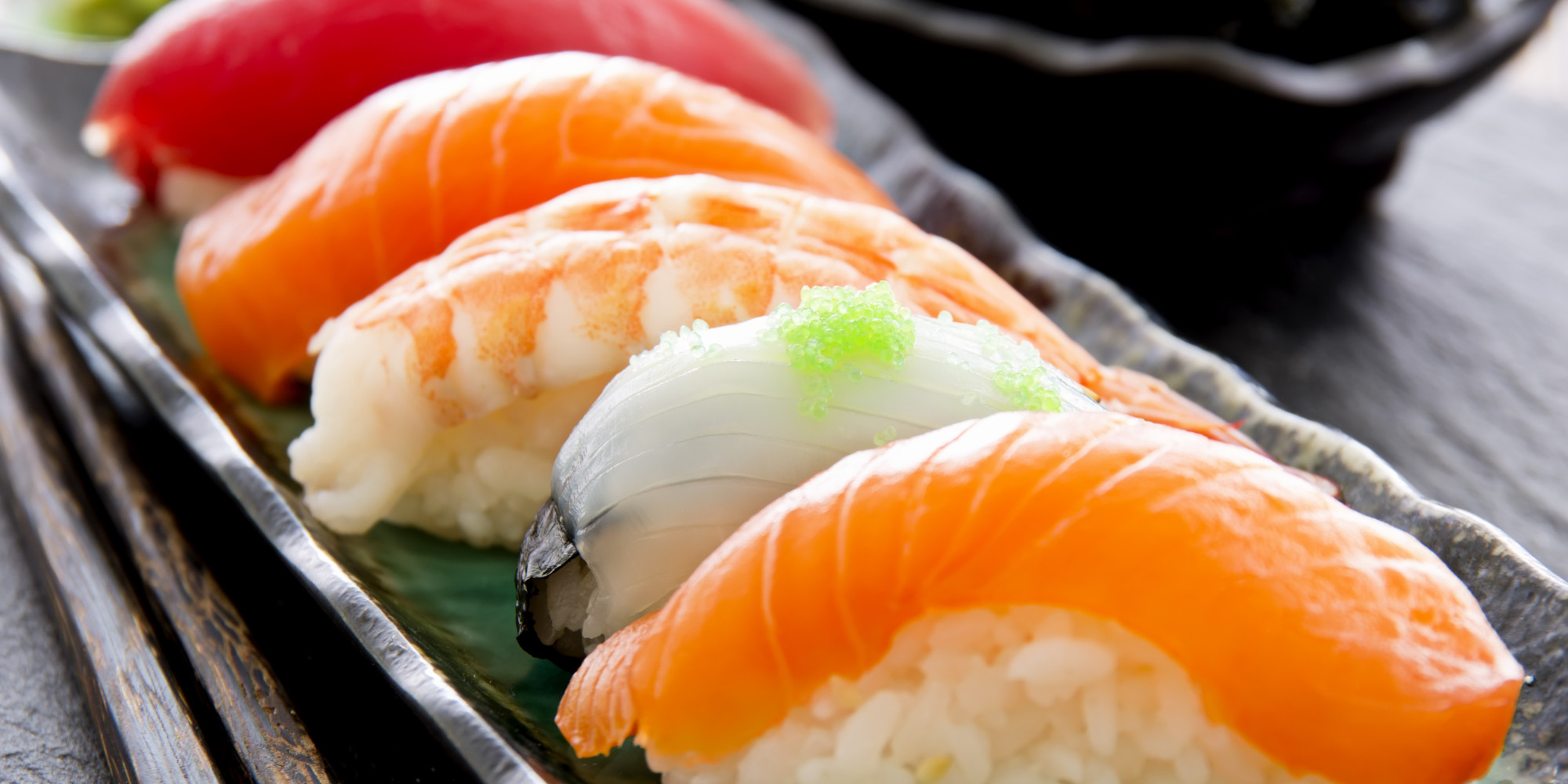 |
| A Brief Showcase of Authentic Sushi (Picture Resource from Google) |
Last week is very busy in social works and training. Also there are some works come up to make some big steps. So the weekend night I make delicious sushi for family. These are a list of ingredients and food for making sushi. All you need to do is cut them into long pieces:
Seaweed sushi papers
2 cups of sushi rice
1 Avacado
0.5 Cucumber
1 Salted White Carrot
2 tea spoon Sushi Vinegar
5 Asparagus
5 Crab meet
200 g Femosage
Seasome Sauce
 | ||
| Avocado Medium Ripen |
To prepare some raw materials, just need to boil it for a few minutes. Some food cannot be boiled for too long, since that may break down the vegetable fibre in boil water which lower the nutrient contents. Avocado is a great resource for saturated protein, and asparagus is a good for your blood vessel to keep blood pressure at normal level since it contains Vitamin A, C and fibres to improve digestion. Vinegar specially for sushi rice contain a little bit sugar, so make sure if you like sugar or not, if not please do not use this type of sushi vinegar. The rice is also a little different from Thailand rice and Sushi rice which is not only shape are different, but also grained content is a little bit different. Sushi rice is like Dongbei rice in China, and it contains a sufficient around grains and carbohydrate. When cooking sushi rice, make sure 2.0 cup of uncooked rice, add 2.0 cup of water, 5.5 teaspoon of sushi vinegar, 1.5 tea spoon of sugar (if using rice vinegar without sugar) and 1.5 tea spoon of salt.
 | |
| Sushi Vinegar and Rice |
When rice is cooked, each ingredients are prepared and separated into different plates, we need to prepare the bamboo roller mat. It is better to use a PE film to cover the screen to avoid rice stuffing onto the screen. Rice should be spread out onto the mat, with thickness of 3~5mm, and no significant open holes on the mat. Then put the vegetable slice parallel to the sushi rolling direction, leaving no gap between each individual pieces. Then put sauces like sesame sauce or mayonnaise sauce onto the vegetables. A little trick when you roll the sushi roll is that you need to make sure no falling of pieces outside of seaweed paper, also could practice more of this rolling skills.
 |
| Sushi Ingredients Display |
 |
| Sushi Rice on the Seaweed Paper |
The rolling is like a little monster, but afterwards it is a piece of calm that become a unit of one work, it is a good message to your family that life is beautiful, deserve our energy to be with them.
So now after cutting them (make sure there is no touching at end of the seaweed paper), you can put them in any desired shape on the plate. One last thing is that wasabi and red ginger is a must have on the sushi plate :-).


Comments
Post a Comment